
A direct post-cruise connection
Continue from the cruise facility to MIA without arranging an intermediate hotel or rental-car collection for the airport journey.
Private transportation connects the confirmed PortMiami terminal with the passenger's MIA departure area. The ship and terminal establish the pickup, while the airline and flight establish the airport endpoint. Pickup instructions are confirmed for the reservation.
GoMiamiLimo arranges private transportation from your cruise terminal to Miami International Airport. Your ship and terminal establish the pickup point; your airline and flight time set the departure target. Share an expected disembarkation window, passenger count and luggage so the transfer can be planned with enough time for airport check-in.
A PortMiami-to-Miami International Airport (MIA) transfer begins with cruise disembarkation. Passengers must leave the ship, retrieve luggage and reach the appropriate ground-transport pickup area before continuing to their departing airline at MIA.
The road journey begins at your assigned cruise terminal after disembarkation. Ship arrival, luggage collection and pickup readiness happen at different times.
The approach follows your destination and road conditions.
Your airline’s departure check-in area.
Allow for road traffic and the cruise line’s boarding or disembarkation process.
PortMiami sits east of Downtown, while MIA is west of central Miami. The transfer leaves the seaport and continues west through Miami. Port, Downtown and airport traffic varies with cruise activity, commuting periods and incidents.
The pickup point is cruise-terminal specific. PortMiami currently lists terminals AA, A, B, C, D, E, F, G, J and V, distributed along North Cruise Boulevard, West Cruise Boulevard and Caribbean Way. Passengers should provide their ship and terminal rather than treating PortMiami as one universal pickup location.
A prearranged transfer establishes the cruise-terminal pickup, vehicle and departing flight beforehand. Passenger readiness depends on disembarkation, while the airport drop-off depends on the airline and correct MIA departure area.
Arrange your transferContinue from the cruise facility to MIA without arranging an intermediate hotel or rental-car collection for the airport journey.
Cruise cases and carry-ons travel in the selected vehicle. Choose usable cargo room as well as seats, especially for family groups.
MIA departures use a different airport stage from arrival pickup. The road journey ends before bag drop, security and the walk to the gate.
The road journey begins at your assigned cruise terminal after disembarkation. Ship arrival, luggage collection and pickup readiness happen at different times.
Official arrival informationWait for your disembarkation group, collect bags and finish applicable entry procedures before proceeding to the pickup point. A scheduled ship arrival can precede passenger readiness by a significant interval. Arrange the car around the cruise exit process rather than treating docking as an immediate airport departure.
The pickup is your assigned PortMiami facility; the destination is the departing airline’s MIA check-in area. Have both pieces of information available. A general port address or airport map pin is less useful than knowing which cruise building the party leaves and where its airline accepts passengers.
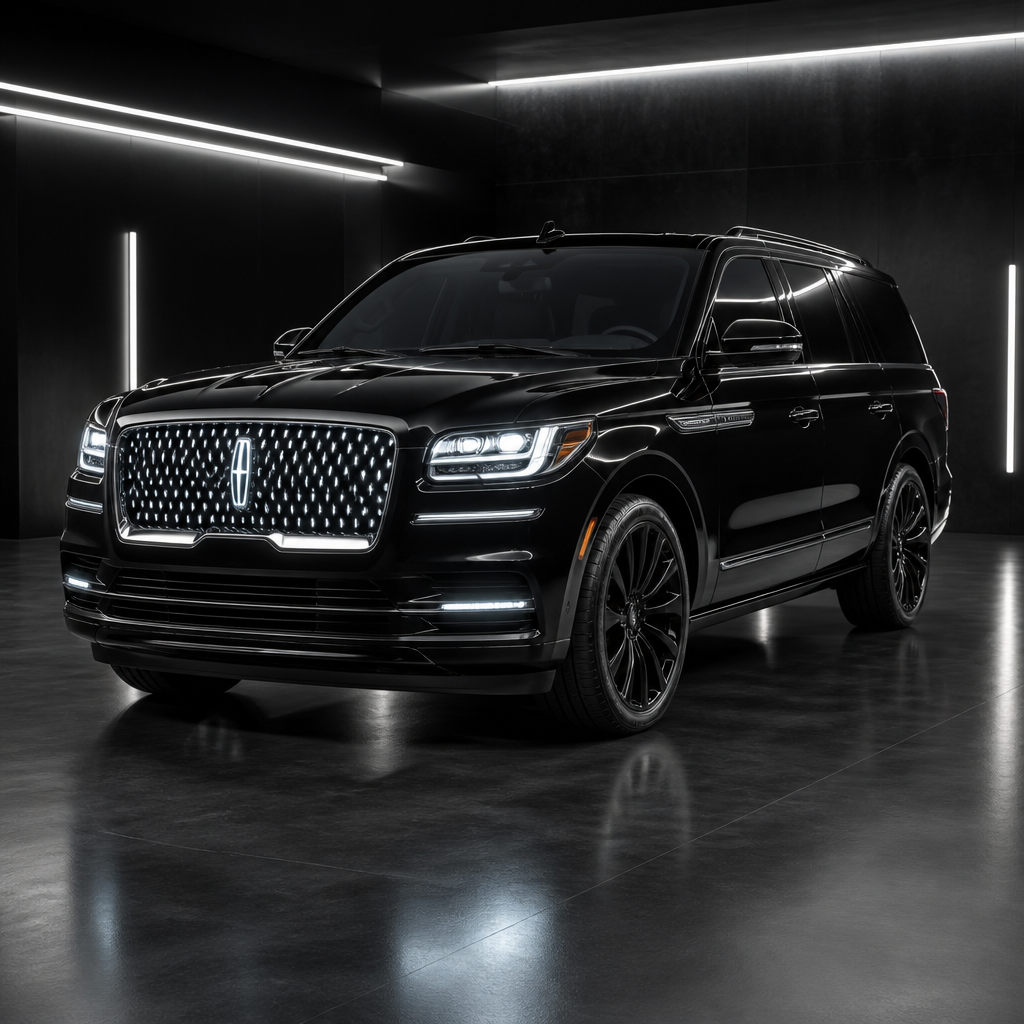
An SUV gives families or colleagues additional space for the trip to Miami International Airport.
Occupied third-row seats reduce cargo room. Include strollers, child-seat requests and large bags when requesting the vehicle.
Request this vehicle Exact model, configuration and availability are confirmed with your reservation.Suitcases, carry-ons, strollers and special equipment travel with the party. Select a vehicle with room for both passengers and belongings. See luggage and special-request guidance.
The trip from PortMiami ends at Miami International Airport, west of the urban core. The airline and departing flight determine the check-in area, while the cruise disembarkation process determines when the road journey can actually begin.
Plan your arrivalMIA serves different airlines across its terminal and concourse areas. The flight and carrier identify the appropriate check-in destination rather than a generic airport entrance.
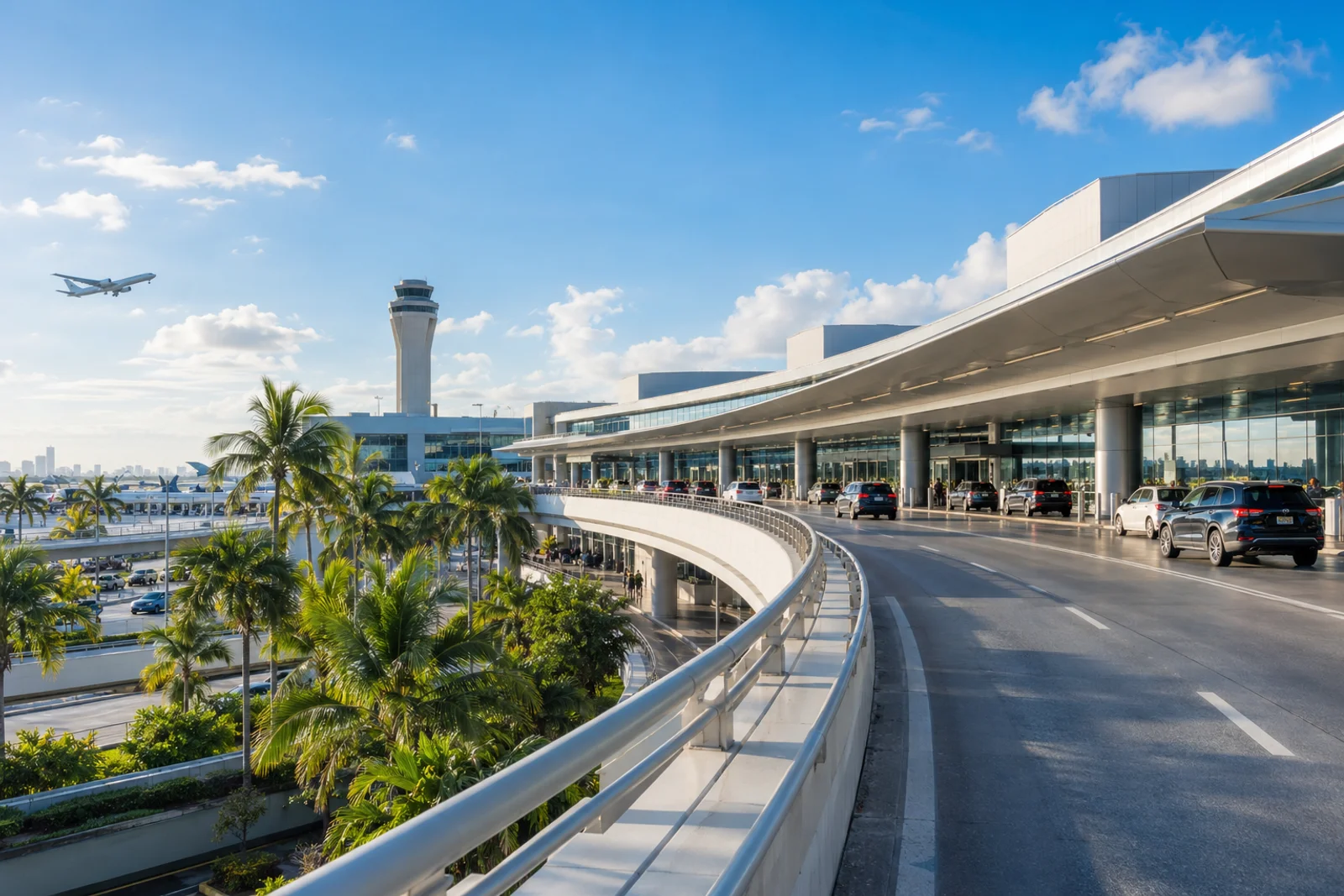
MIA identifies Level 2 for departures, check-in and ticketing, while baggage claim for arriving passengers is on Level 1. The post-cruise transfer is therefore a departure drop-off. The airline and flight determine the relevant check-in area; do not reuse meeting directions from an earlier MIA arrival.
The ground transfer ends before airline baggage acceptance and security. Keep documents and essential items accessible and follow the airline’s recommended arrival time.
International flights may involve different check-in requirements from domestic departures. Build the airport allowance around your airline and itinerary, including any document checks.
This route begins inside PortMiami and ends at MIA. Cruise-terminal identification matters because facilities occupy different port locations, while the airport destination is determined by the passenger's airline and departure information.
Read the details relevant to this route, from the road approach to family stays and onward plans.
Ship arrival does not mean every passenger is immediately ready for transportation. Travelers may need to wait for their disembarkation group, retrieve luggage and complete applicable procedures before proceeding to ground transportation.
The airport endpoint also requires precision. MIA's airline directory assigns different carriers to different check-in locations and departure concourses. Travelers should provide the airline and flight number so the airport drop-off can be planned around the correct departure area rather than simply using "Miami Airport" as the destination.
Passengers remain responsible for choosing a flight that allows enough time after the cruise and following airline guidance. GoMiamiLimo coordinates transportation but cannot control ship clearance, traffic, airport processing or boarding.
Families may leave a cruise with checked suitcases, carry-ons, strollers and children's items. A direct vehicle keeps the family and luggage together from the cruise terminal to the appropriate MIA departure area.
Once the family leaves the ship, separate airline documents from the cases going into the car. At MIA, the party still needs to unload, find its airline counter and follow baggage and security procedures. A short road journey should not be used to compress those airport steps into an unrealistic connection.
Executives and hosted guests may continue directly to MIA or make a planned stop before the flight. A prearranged car can coordinate the cruise-terminal pickup, airport destination and requested intermediate stop when timing allows.
A hosted group can share the road journey while departing on different flights. In that case, identify the relevant airlines and any separate check-in areas before arrival at MIA. The schedule should accommodate the earliest necessary check-in, not simply the latest flight in the group.
PortMiami’s proximity to MIA does not remove the time needed to leave the ship or complete airline check-in. Consider the cruise line’s disembarkation guidance and the airline’s recommended airport arrival allowance together. A private transfer cannot guarantee a flight connection if the ship exit is delayed or the flight schedule leaves too little margin.
Share the travel date, cruise line, ship, PortMiami terminal if known, departing airline, MIA flight number, passenger count, approximate luggage and passenger contact information. Also mention child-seat requests, oversized items or additional stops. These details help coordinate the cruise-terminal pickup, select the vehicle and identify the correct airport departure destination.
Review the requested vehicle, itinerary and price before confirming your transportation.
Follow your pickup instructions and begin the journey from PortMiami to Miami International Airport.
Travel time varies with cruise-day traffic, Downtown Miami conditions, construction, incidents and airport approaches. Because passenger readiness also depends on disembarkation, the ship's arrival time should not be treated as the car's departure time. Travelers should separately allow sufficient time for airline check-in, security and their flight's boarding requirements.
Pickup is coordinated for the passenger's specific cruise terminal and reservation rather than using one universal PortMiami meeting point. After leaving the ship, collect your luggage and complete required disembarkation procedures before proceeding according to the confirmed instructions. PortMiami uses designated ground-transport areas, and terminal operating conditions can affect the exact pickup process.
Not automatically. Passengers may still need to wait for their disembarkation group, collect bags and complete applicable procedures after the ship docks. Plan pickup around being ready to leave the terminal.
A stop can be requested when the flight schedule leaves enough time. Include the stop and any waiting in the itinerary; it is additional to a direct cruise-terminal-to-airport journey.
Yes. Luggage assistance is part of the ground transfer, but provide the approximate number and size of bags before vehicle selection. Cruise passengers may have several large suitcases plus carry-ons, so seating capacity alone is not enough. An SUV, Sprinter or additional vehicle may be appropriate depending on total passengers and cargo.
Yes. Families can arrange direct transportation from their PortMiami terminal to MIA. Provide the number of adults and children, approximate luggage, stroller information and departing flight. If a child seat is required, include the request when arranging the reservation so availability and the appropriate setup can be confirmed before the post-cruise transfer.
GoMiamiLimo can arrange pickup from the PortMiami terminal confirmed for the sailing. PortMiami has several separate cruise facilities; use the current terminal assignment for your sailing. Provide the cruise line, ship and terminal when available because these facilities occupy different locations and the correct terminal determines the practical pickup side of the transfer.
Yes. Sedans, SUVs and Mercedes-Benz Sprinters can be requested according to passenger and luggage requirements. SUVs provide additional room for families and smaller groups, while Sprinters can accommodate larger parties of up to 14 passengers when luggage allows. Passenger seating and cargo capacity are considered separately before the vehicle arrangement is confirmed.
Not usually. MIA places departure check-in and ticketing on Level 2, while arriving baggage claim is on Level 1. For this trip, the goal is the departing airline’s check-in area rather than an arrivals pickup curb. Follow current terminal signs and airline guidance.